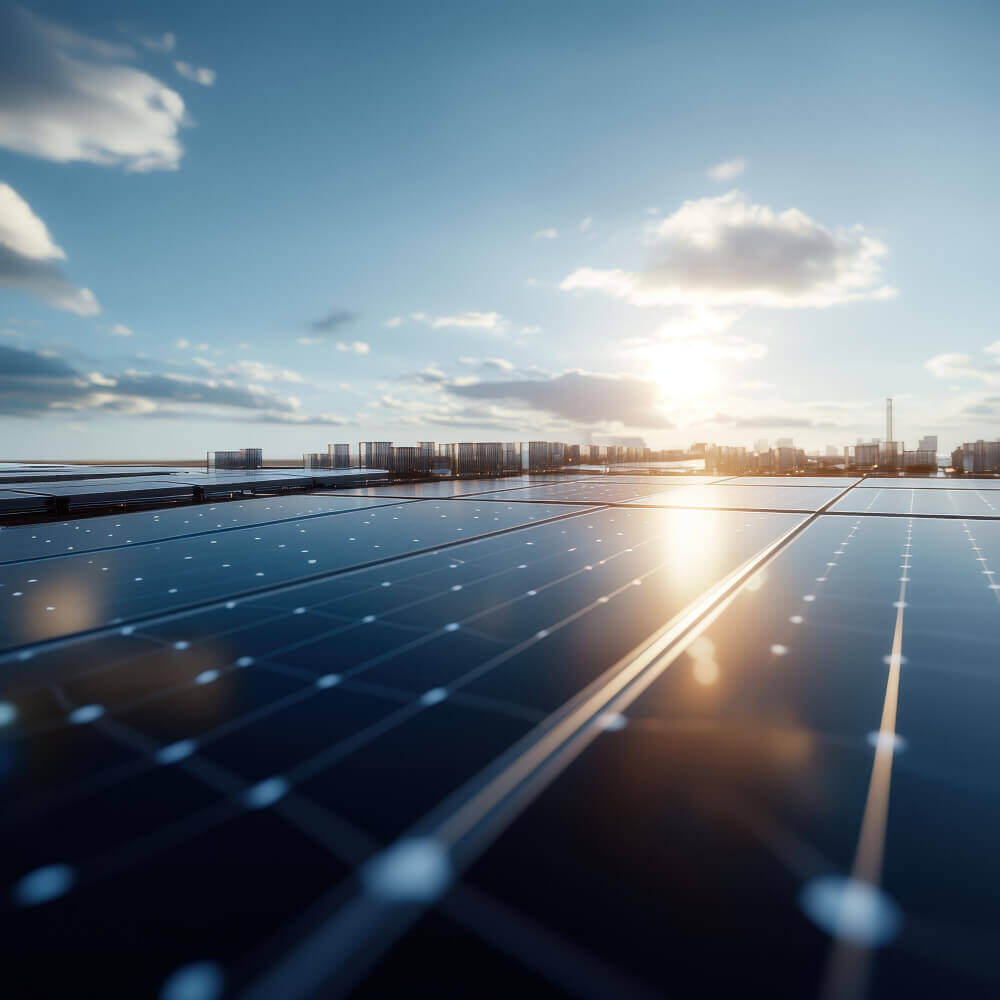
Solar Farms and Crop Production
How crops can be grown alongside solar through agrivoltaics — spaced and elevated systems, suitable crops, and the trade-offs between food and energy yield.
While sheep grazing is the most common UK agrivoltaic system, growing crops alongside solar is increasingly possible. Spaced and elevated panel designs let light reach the ground so that forage, certain arable crops and high-value horticulture can grow between or beneath the rows.
This guide looks at how crop-based agrivoltaics works and where it makes sense.
Designing for crops
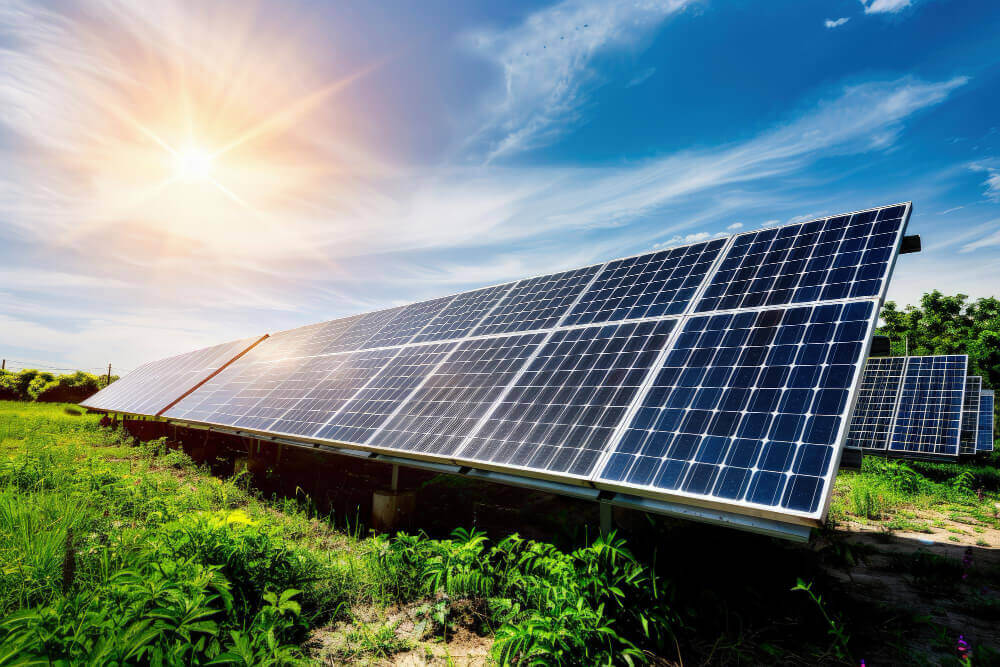
Crop agrivoltaics depends on sharing sunlight. Two broad approaches are used: spacing panel rows further apart so crops grow in the gaps, or elevating panels on tall frames so machinery and plants pass underneath. Both reduce panel density a little to give the land below what it needs.
- Spaced rows — wider gaps for grass, forage and some combinable crops.
- Elevated arrays — raised panels allowing tractors and crops beneath.
- Sheltered horticulture — partial shade protecting soft fruit and vegetables from heat and hail.
The food-and-energy trade-off
Every agrivoltaic design balances crop yield against energy yield. Light shared with crops is light not captured by panels, so the aim is a combination that is more valuable together than either use alone. In hot, dry conditions partial shade can even help certain crops by reducing water stress.
Is crop agrivoltaics right for your farm?
Crop-based systems are more complex and site-specific than grazing, so they suit landowners with the right crops, climate and appetite to keep arable or horticultural production going. We help assess whether a spaced, elevated or grazing approach fits your land and goals best.
Frequently asked questions
Can you grow crops under solar panels?
Yes, with the right design. Spaced and elevated systems let enough light through for forage, some arable crops and sheltered horticulture, though panel density is reduced to allow it.
Does shade from panels reduce crop yields?
It can, but the effect depends on the crop and design. Some crops tolerate or even benefit from partial shade, especially in hot, dry spells when it reduces water loss.
Which crops suit agrivoltaics best?
Grass and forage are the most straightforward, followed by certain row crops and shade-tolerant horticulture and soft fruit. The best fit depends on your farm and climate.
Is crop agrivoltaics common in the UK?
Sheep grazing remains the most common system here, but interest in crop-based agrivoltaics is growing as designs and evidence develop.
Find out what your land could earn
Send us your location and acreage and we'll come back with an honest, no-obligation assessment of your site's solar potential — usually within two working days.
Request a Free Land Review